

Trump Stops War, China Responds With This Pathetic Move
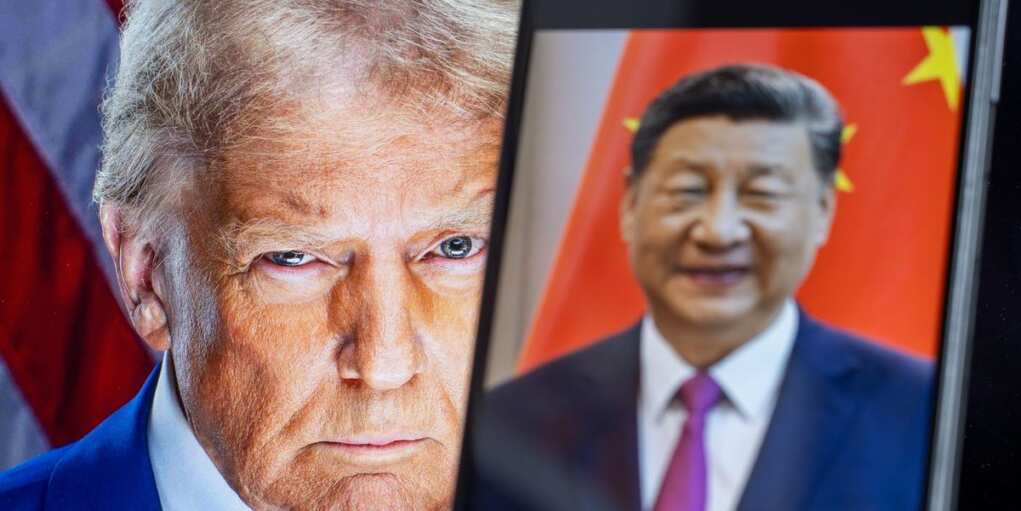
You have to hand it to the Chinese Communist Party: they’ve got audacity in spades.
President Trump spent months using tariff pressure and old-fashioned diplomatic muscle to broker a ceasefire between Cambodia and Thailand — two countries that genuinely want to fight each other over border disputes dating back 70 years. He got a deal signed in July. Cambodia literally said Trump deserved the Nobel Peace Prize for it.
And now China wants credit.
The 3,000-Word Tantrum
The Global Times — Beijing’s state-run propaganda megaphone — published an editorial Sunday claiming China played “a key mediating role” in bringing Cambodia and Thailand to the negotiating table.
Their evidence? The Cambodian and Thai delegations politely thanked China for its “positive role” during the Saturday signing ceremony.
That’s it. That’s the whole case.
The editorial then wandered on for another 3,000 words — and I wish I were exaggerating — without citing a single example of anyone outside China actually crediting Beijing with the breakthrough.
Not one quote from Thailand. Not one statement from Cambodia. Not one international observer saying “wow, China really pulled this off.”
Just the Global Times insisting, over and over, that China deserves recognition for something Donald Trump accomplished.
The Alternate Reality
Here’s where it gets genuinely entertaining.
The editorial drifted into what can only be described as a diplomatic fever dream. According to the Global Times, Cambodia and Thailand ignored “traditional mediation led by Western countries” because Western diplomacy focuses too heavily on “so-called ‘human rights’ and ‘democratic transformation.'”
Those pesky air quotes around “human rights.” Classic CCP.
The editors praised Beijing for taking an “objective and impartial stance” and conducting “multiple rounds of shuttle diplomacy.” They claimed China acted as “a friend and close neighbor to both countries.”
Nowhere did they mention Trump’s tariff threats. Nowhere did they acknowledge that Trump’s July deal was the actual breakthrough that stopped the fighting the first time. Nowhere did they grapple with the fact that Cambodia specifically credited Trump — not Xi Jinping — with earning a Nobel Prize nomination.
It’s propaganda so shameless it almost circles back around to being impressive.
What Actually Happened
Let’s review the timeline that Beijing conveniently forgot.
The Cambodia-Thailand border conflict has been simmering for decades, rooted in territorial disputes that date back to Cambodia’s independence from France in 1953. Both countries have been itching to settle this with artillery shells rather than diplomats.
Earlier this year, things escalated badly. Dozens of civilians were killed. Thousands were displaced. Small-arms fire and artillery exchanges became routine.
Trump stepped in with the kind of pressure China claims to disapprove of: tariff threats. He muscled both sides to the table. In July, they signed a ceasefire agreement. Cambodia’s response? Trump deserves the Nobel Peace Prize.
Then in November, hostilities resumed after a landmine explosion injured four Thai soldiers on border patrol. Thailand accused Cambodia of littering the border with mines. More soldiers have been injured since, including another incident just Monday.
The new ceasefire deal signed Saturday is already wobbly. Cambodia is accusing Thailand of conducting airstrikes after the agreement was reached.
Trump urged both sides to honor the July agreement and called for the United Nations to get more involved in peacekeeping.
And China? China saw an opportunity to elbow its way into the story.
Beijing’s Real Frustration
Buried in the Global Times editorial is a revealing admission: China is frustrated that the world hasn’t embraced it as a “top-shelf global diplomatic power.”
They’re still bitter that nobody gave them enough credit for supposedly facilitating reconciliation between Saudi Arabia and Iran back in 2023. That deal, by the way, hasn’t exactly produced lasting peace in the Middle East.
“Unlike many past mediations dominated by the West, China does not adopt a condescending approach, impose political conditions, or seek geopolitical advantages,” the editors wrote.
This from the country currently running concentration camps in Xinjiang, crushing democracy in Hong Kong, threatening Taiwan with invasion, and building military islands in international waters throughout the South China Sea.
No geopolitical advantages sought there. Purely altruistic.
The Participation Trophy Diplomacy
China’s actual contribution to the Cambodia-Thailand situation amounts to this: they offered to help monitor the ceasefire through ASEAN, and they pledged some humanitarian aid.
How much aid? A whopping $3 million split between both countries.
Thailand — a country with a GDP of over $500 billion — was reportedly hesitant to accept Beijing’s pocket change.
Compare that to Trump’s approach: credible economic pressure that forced both sides to take negotiations seriously, followed by a framework agreement that actually stopped the shooting for months.
One approach worked. One approach is begging for credit it didn’t earn.
The Bigger Picture
This episode reveals something important about China’s global ambitions versus its actual capabilities.
Beijing desperately wants to be seen as a world leader in diplomacy. They want other nations to turn to China first when conflicts arise. They want the prestige and influence that comes with being the indispensable power broker.
But they don’t want to do the hard work. They don’t want to apply real pressure or make tough demands or risk angering potential partners. They want credit for showing up and nodding sympathetically.
Trump’s approach — love it or hate it — produces results. The July ceasefire happened because both Cambodia and Thailand believed there would be consequences for refusing to negotiate.
China’s approach produces 3,000-word editorials demanding recognition for achievements that belong to someone else.
The Bottom Line
Donald Trump brokered peace between two countries that have been fighting over the same dirt since the 1950s. He did it with economic leverage and diplomatic pressure. One of those countries said he deserved the Nobel Prize for it.
China showed up late, offered some pocket change, and published a propaganda piece claiming they were the real heroes.
This is what desperation looks like when it’s wearing a diplomat’s suit.
Beijing can write all the editorials it wants. The scoreboard doesn’t lie.
Trump: 1. China: Still coping.